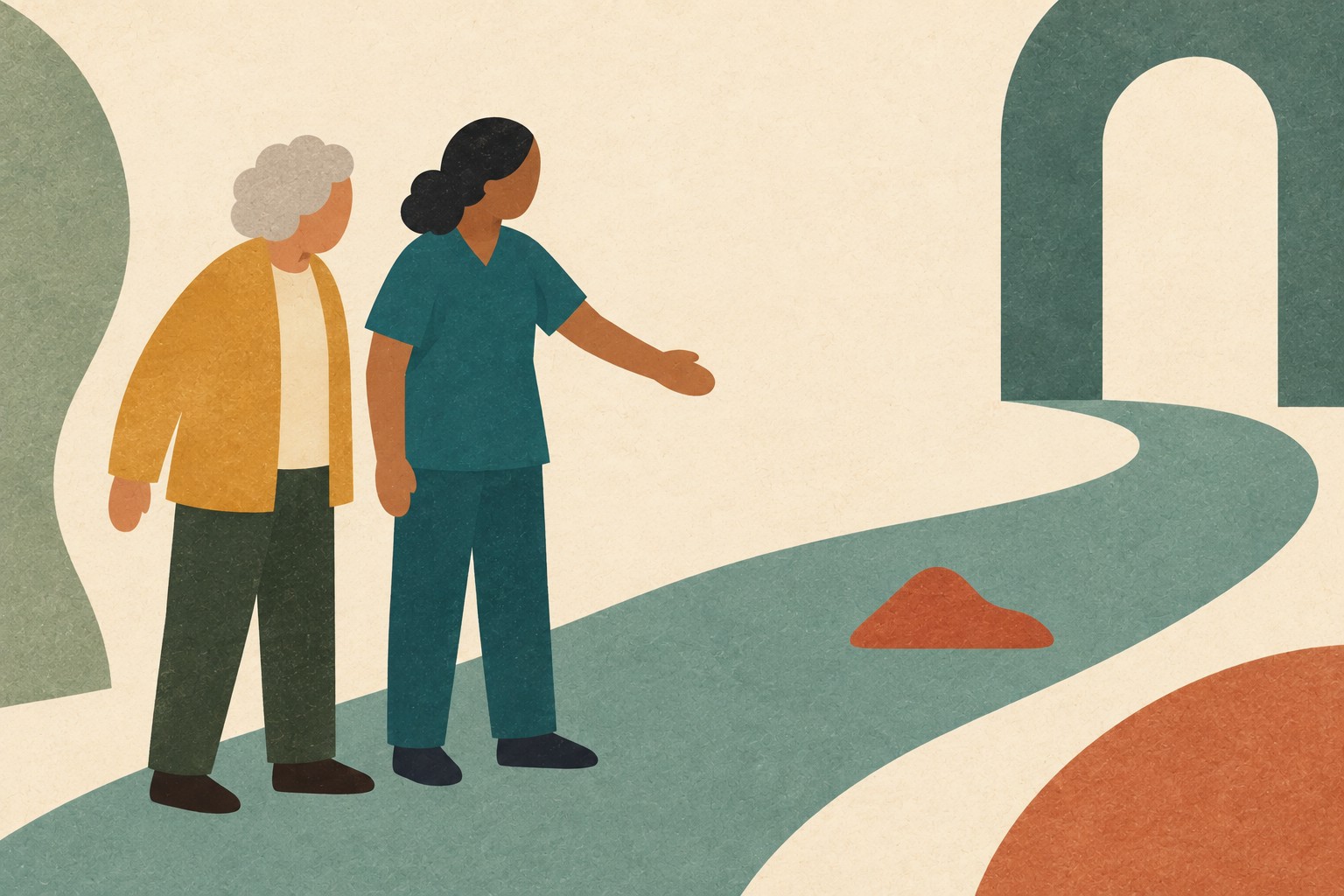
De-escalation Techniques in Care Settings: A Practical Guide for Staff
De-escalation is not simply about speaking quietly or asking someone to calm down. It is a skilled, person-centred process that helps staff.

Information and news relating to the services that we provide.
De-escalation is not simply about speaking quietly or asking someone to calm down. It is a skilled, person-centred process that helps staff.
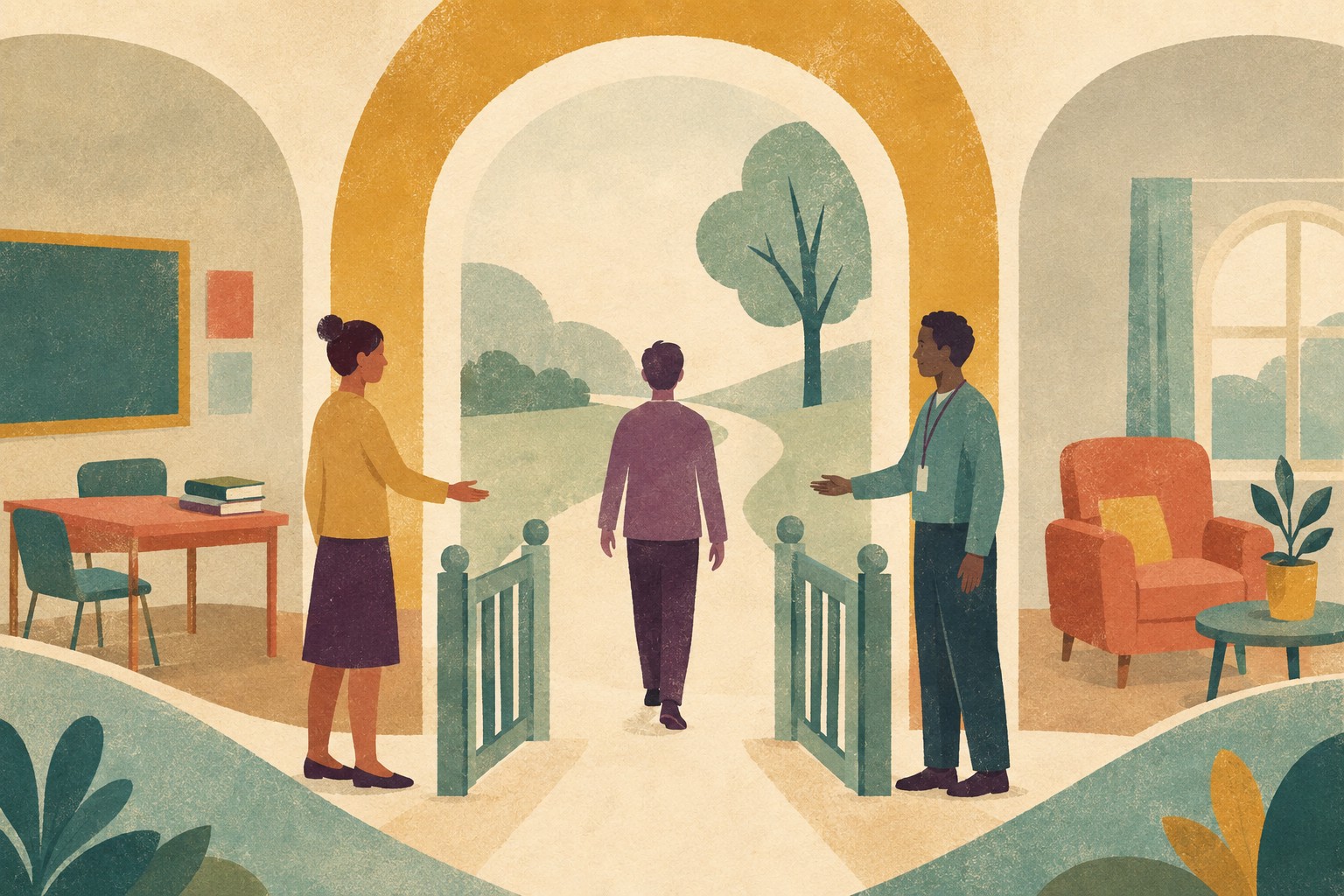
Restrictive practices are not limited to physical restraint. They include a wide range of actions, rules, equipment, environmental controls, and communication methods.
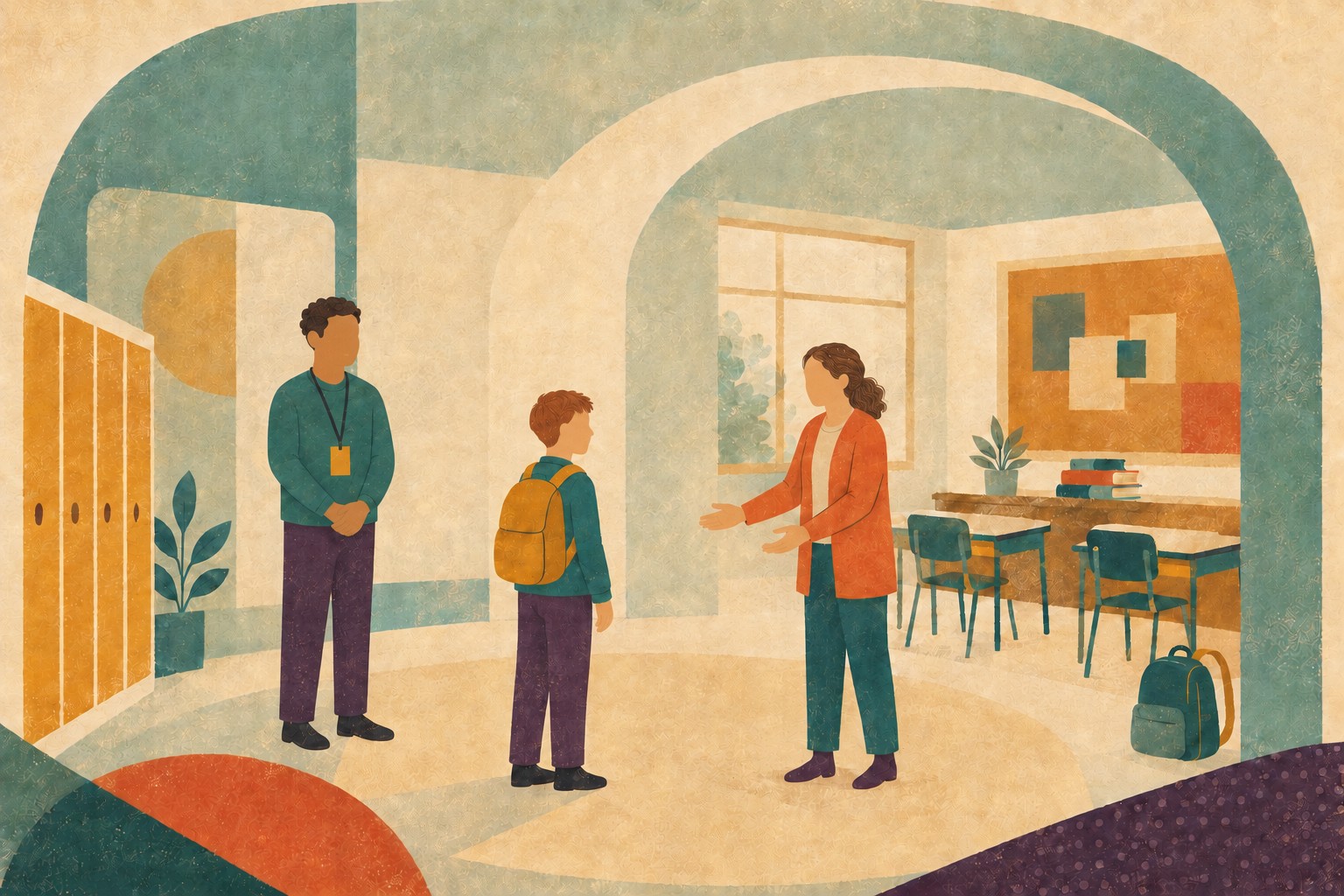
Physical intervention in schools is a safeguarding measure—not a shortcut for managing difficult behaviour.
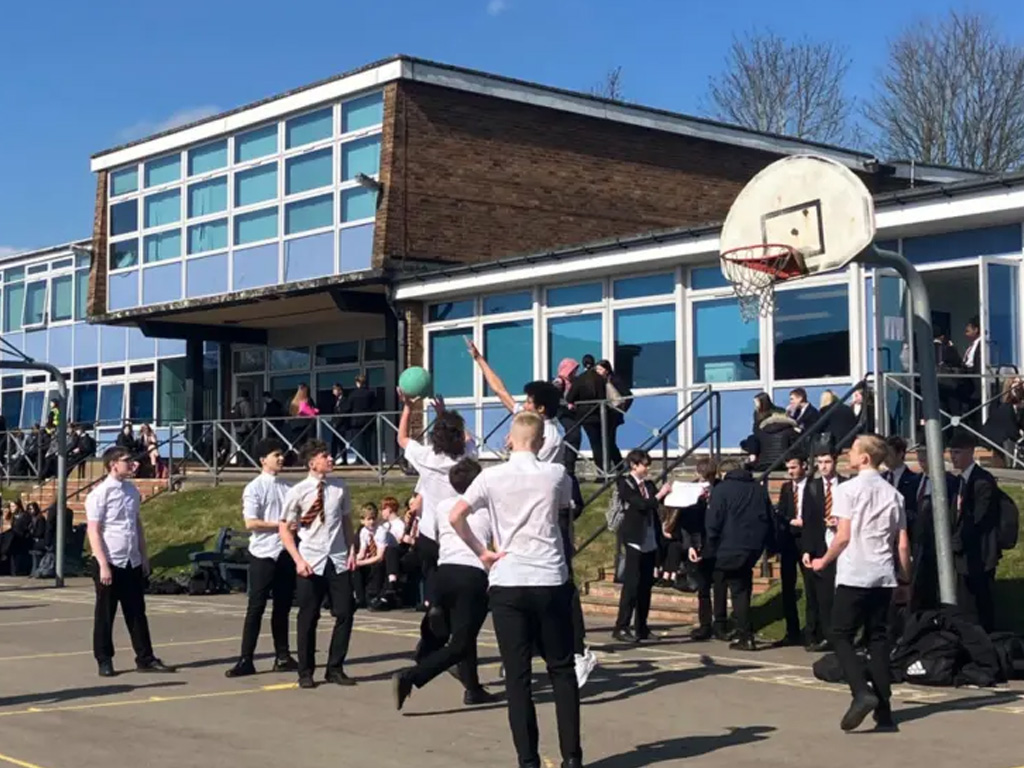
A BBC survey reveals over a third of secondary teachers witnessed misogynistic behaviour in school in just one week, with many feeling unprepared to address it. As harmful online ideologies increasingly influence young people—especially boys—schools face growing safeguarding challenges. This blog explores the roots of the issue, its impact on pupils, and how schools can respond with proactive, informed strategies.
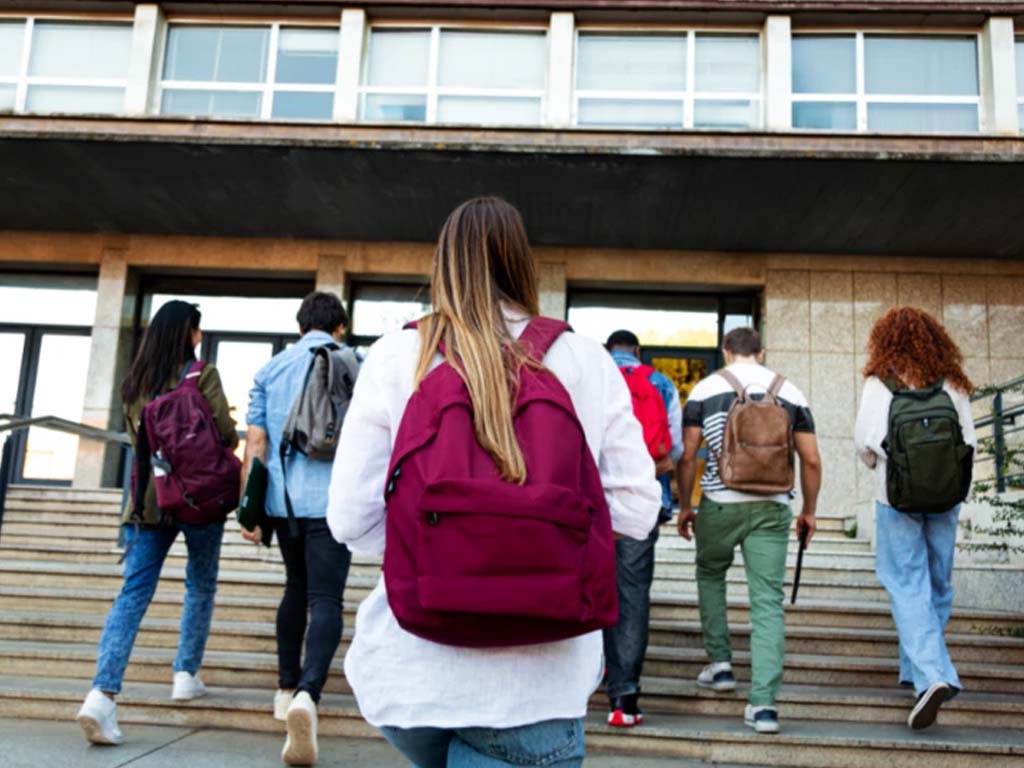
Colleges across Wales are seeing a rise in behavioural issues linked to post-pandemic trauma, social immaturity, and the influence of toxic online culture—especially among young male learners in vocational programmes. Estyn’s latest report calls for long-term investment, clearer national guidance, and better staff training. This blog explores the challenges, root causes, and what safeguarding professionals can do to create safer, more supportive further education environments.